Buy vmp3.eu ?
We are moving the project
vmp3.eu .
Are you interested in purchasing the domain
vmp3.eu ?
domain@kv-gmbh.de · 0541-91531010
Buy vmp3.eu ?
What is the difference between Realtek USB Audio and Realtek High Definition Audio?
Realtek USB Audio is a type of audio interface that connects to a computer via USB, allowing for high-quality audio playback and recording. It is often used for external sound cards and audio interfaces. On the other hand, Realtek High Definition Audio refers to the audio codec and hardware found on the motherboard of a computer. It is responsible for processing and outputting audio signals from the computer. In summary, Realtek USB Audio is an external audio interface, while Realtek High Definition Audio is the built-in audio hardware on a computer motherboard. **
How can I transfer audio through micro-USB?
To transfer audio through micro-USB, you can use a micro-USB to audio adapter. This adapter will allow you to connect your audio device, such as headphones or speakers, to the micro-USB port on your device. Once connected, you can then play audio from your device through the connected audio device. Keep in mind that not all devices support audio transfer through the micro-USB port, so it's important to check the compatibility of your devices before attempting to transfer audio in this way. **

Similar search terms for RM-3000-1024-USB-Audio
Top-Angebote
Products related to RM-3000-1024-USB-Audio:
-
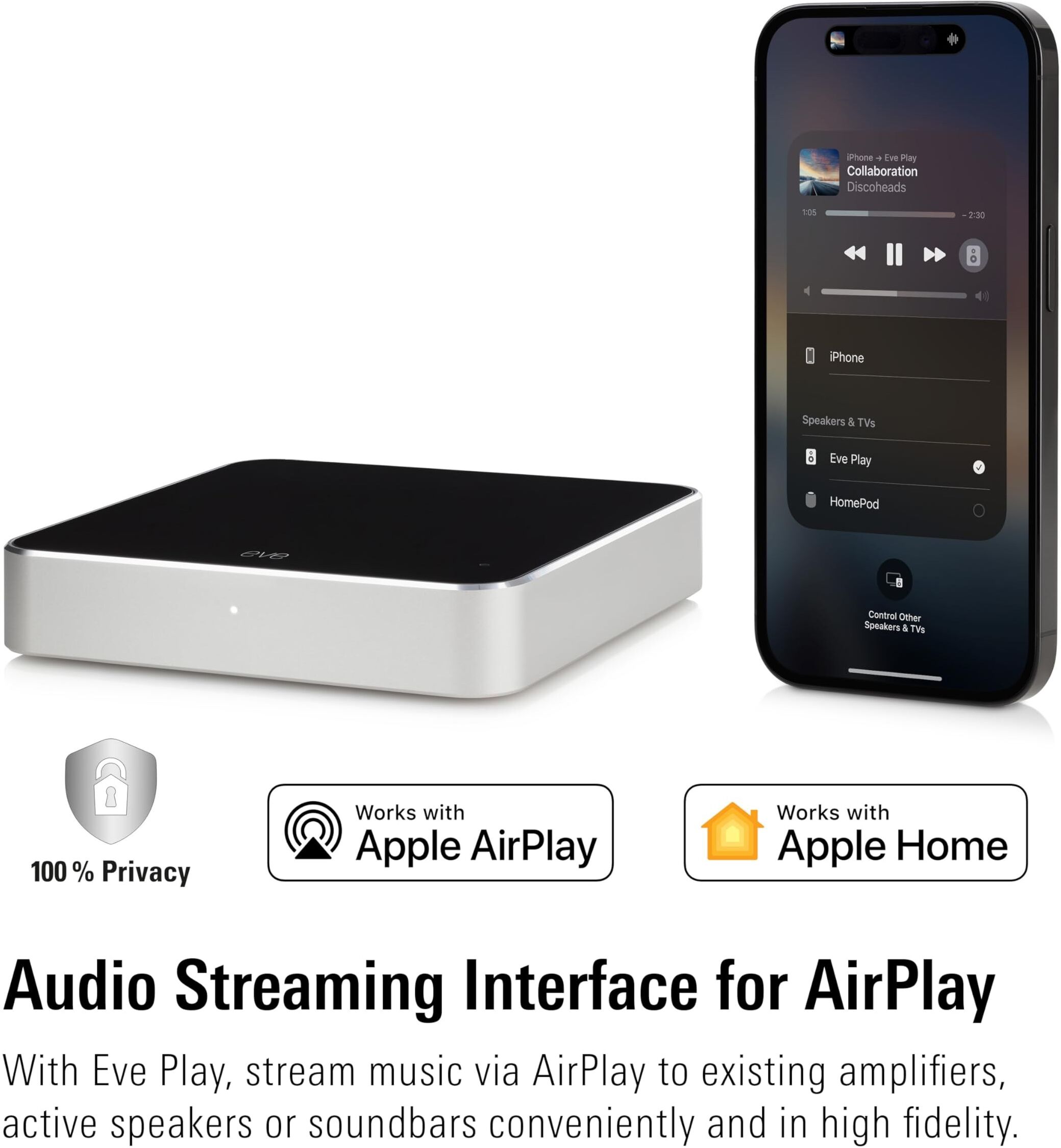
Eve Play (Apple Home) – Audio Streaming Interface for AirPlayStream your music to existing amplifiers, powered speakers or soundbars with AirPlay and make your favorite Hi-Fi components smart. Synchronous multi-room playback: Audio Sync allows the system to play simultaneously with other AirPlay devices without speaker delay. Powerful digital-to-analog converter with 112 dB signal-to-noise ratio for a high-end audiophile sound experience. Flexible analog or digital connectivity: Connect your Hi-Fi components with the included RCA cable or digitally via optical and coaxial connections. Integrated Ethernet port for highly stable streaming quality143,49 £*Shipping: 0,00 £Secure redirect to the provider
-
Focusrite Scarlett 4i4 4th Gen USB-C Audio InterfaceOverview Turn your desk into a flexible, professional-quality recording studio with the Focusrite Scarlett 4i4 4th Generation USB-C Audio Interface . Designed for musicians, producers, songwriters and content creators who need room to connect more than a single microphone, the 4i4 gives you four analogue inputs, four line outputs, MIDI connectivity and independent monitoring options in a compact desktop interface. Two ultra-low-noise Scarlett microphone preamps provide an impressive 69dB gain range , while Auto Gain and Clip Safe take much of the uncertainty out of setting recording levels. Add studio-grade 24-bit/192kHz conversion , two redesigned Air modes and a powerful headphone amplifier, and the Scarlett 4i4 gives you the tools to capture ideas with clarity before inspiration disappears. The 4th Gen Scarlett 4i4 is identified by GTIN/EAN 0815301001492 . Key Features & Benefits Capture Cleaner, More Detailed Recordings – Two 4th Generation Scarlett microphone preamps offer an expansive 69dB gain range , giving you enough clean amplification to work effectively with a broad range of microphones while retaining detail and keeping unwanted noise low. Spend Less Time Setting Levels and More Time Recording – Auto Gain listens to your performance and automatically establishes an appropriate input level, helping musicians and creators get ready to record quickly without repeatedly adjusting gain knobs. Protect Important Takes from Digital Clipping – Clip Safe automatically adjusts gain when your recording level approaches clipping, helping protect spontaneous performances from distortion that could otherwise make a take unusable. Give Vocals and Instruments More Character Before Mixing – Two redesigned Air modes let you shape the sound as you record. Presence mode adds high-frequency lift for greater clarity, while Harmonic Drive introduces additional mid-range harmonics for a richer, more forward character. Record More of Your Studio at the Same Time199,98 £*Shipping: 0,00 £Secure redirect to the provider


-
Does the Rode NT USB require an audio interface?
No, the Rode NT USB does not require an audio interface. It is a USB microphone, which means it can be directly connected to a computer or recording device via USB without the need for an audio interface. This makes it a convenient and easy-to-use option for recording high-quality audio without additional equipment. **
-
Can you connect a USB headset to an audio mixer?
Yes, you can connect a USB headset to an audio mixer, but it may not be the most common or ideal setup. USB headsets are typically designed to be plug-and-play devices that connect directly to a computer or other USB-enabled device. However, if your audio mixer has a USB input or if you use a USB audio interface with your mixer, you may be able to route the audio from your headset through the mixer. Keep in mind that the quality of the audio signal and compatibility may vary depending on the specific equipment you are using. **
-
Which headset is better: USB or 3.5mm audio jack connection?
The choice between a USB or 3.5mm audio jack connection headset depends on your specific needs. A USB headset typically offers better sound quality and can provide additional features like built-in sound processing. On the other hand, a 3.5mm audio jack headset is more versatile as it can be used with a wider range of devices, including smartphones and gaming consoles. Ultimately, the better option will depend on your priorities, such as sound quality, compatibility, and additional features. **
-
Which microphone, USB or audio jack connection, has better voice quality?
In general, audio jack connection tends to provide better voice quality compared to USB connection. This is because audio jack connections typically have a higher bandwidth and can transmit audio signals with less interference or latency. USB microphones may be more convenient and easier to set up, but for optimal voice quality, an audio jack connection is often preferred. **


How do I connect a USB microphone to an audio interface?
To connect a USB microphone to an audio interface, you will need a USB cable that is compatible with your microphone. Simply plug one end of the USB cable into the USB port on the microphone and the other end into an available USB port on your computer. Then, connect the audio interface to your computer using another USB cable or the appropriate connection method. Make sure to select the USB microphone as the input device in your computer's audio settings and adjust the levels on the audio interface as needed. **
How do I connect a USB headset to an audio interface?
To connect a USB headset to an audio interface, you will need a USB-to-XLR adapter. Plug the USB end of the headset into the adapter and the XLR end into one of the input channels on the audio interface. Make sure to select the corresponding input channel on the audio interface and adjust the levels as needed. This setup allows you to use the USB headset with the audio interface for recording or monitoring purposes. **
Top-Angebote
Products related to RM-3000-1024-USB-Audio:
-
Eve Play (Apple Home) – Audio Streaming Interface for AirPlayStream your music to existing amplifiers, powered speakers or soundbars with AirPlay and make your favorite Hi-Fi components smart. Synchronous multi-room playback: Audio Sync allows the system to play simultaneously with other AirPlay devices without speaker delay. Powerful digital-to-analog converter with 112 dB signal-to-noise ratio for a high-end audiophile sound experience. Flexible analog or digital connectivity: Connect your Hi-Fi components with the included RCA cable or digitally via optical and coaxial connections. Integrated Ethernet port for highly stable streaming quality143,49 £*Shipping: 0,00 £Secure redirect to the provider
-
What is the difference between Realtek USB Audio and Realtek High Definition Audio?
Realtek USB Audio is a type of audio interface that connects to a computer via USB, allowing for high-quality audio playback and recording. It is often used for external sound cards and audio interfaces. On the other hand, Realtek High Definition Audio refers to the audio codec and hardware found on the motherboard of a computer. It is responsible for processing and outputting audio signals from the computer. In summary, Realtek USB Audio is an external audio interface, while Realtek High Definition Audio is the built-in audio hardware on a computer motherboard. **
-
How can I transfer audio through micro-USB?
To transfer audio through micro-USB, you can use a micro-USB to audio adapter. This adapter will allow you to connect your audio device, such as headphones or speakers, to the micro-USB port on your device. Once connected, you can then play audio from your device through the connected audio device. Keep in mind that not all devices support audio transfer through the micro-USB port, so it's important to check the compatibility of your devices before attempting to transfer audio in this way. **
-
Does the Rode NT USB require an audio interface?
No, the Rode NT USB does not require an audio interface. It is a USB microphone, which means it can be directly connected to a computer or recording device via USB without the need for an audio interface. This makes it a convenient and easy-to-use option for recording high-quality audio without additional equipment. **
-
Can you connect a USB headset to an audio mixer?
Yes, you can connect a USB headset to an audio mixer, but it may not be the most common or ideal setup. USB headsets are typically designed to be plug-and-play devices that connect directly to a computer or other USB-enabled device. However, if your audio mixer has a USB input or if you use a USB audio interface with your mixer, you may be able to route the audio from your headset through the mixer. Keep in mind that the quality of the audio signal and compatibility may vary depending on the specific equipment you are using. **
Similar search terms for RM-3000-1024-USB-Audio
-
Focusrite Scarlett 4i4 4th Gen USB-C Audio InterfaceOverview Turn your desk into a flexible, professional-quality recording studio with the Focusrite Scarlett 4i4 4th Generation USB-C Audio Interface . Designed for musicians, producers, songwriters and content creators who need room to connect more than a single microphone, the 4i4 gives you four analogue inputs, four line outputs, MIDI connectivity and independent monitoring options in a compact desktop interface. Two ultra-low-noise Scarlett microphone preamps provide an impressive 69dB gain range , while Auto Gain and Clip Safe take much of the uncertainty out of setting recording levels. Add studio-grade 24-bit/192kHz conversion , two redesigned Air modes and a powerful headphone amplifier, and the Scarlett 4i4 gives you the tools to capture ideas with clarity before inspiration disappears. The 4th Gen Scarlett 4i4 is identified by GTIN/EAN 0815301001492 . Key Features & Benefits Capture Cleaner, More Detailed Recordings – Two 4th Generation Scarlett microphone preamps offer an expansive 69dB gain range , giving you enough clean amplification to work effectively with a broad range of microphones while retaining detail and keeping unwanted noise low. Spend Less Time Setting Levels and More Time Recording – Auto Gain listens to your performance and automatically establishes an appropriate input level, helping musicians and creators get ready to record quickly without repeatedly adjusting gain knobs. Protect Important Takes from Digital Clipping – Clip Safe automatically adjusts gain when your recording level approaches clipping, helping protect spontaneous performances from distortion that could otherwise make a take unusable. Give Vocals and Instruments More Character Before Mixing – Two redesigned Air modes let you shape the sound as you record. Presence mode adds high-frequency lift for greater clarity, while Harmonic Drive introduces additional mid-range harmonics for a richer, more forward character. Record More of Your Studio at the Same Time199,98 £*Shipping: 0,00 £Secure redirect to the provider
-
MicroConnect MONGGHDMI VGA + Audio to HDMI Converter (1080p, USB Powered)MicroConnect MONGGHDMI converter that turns a VGA video signal and a 3.5 mm audio input into a single HDMI output. Supports up to 1080p, is HDMI compliant and HDCP ready, and is powered over USB.30,49 £*Shipping: 0,00 £Secure redirect to the provider
-
Cables Direct USB-C to 3.5mm Female Audio Adapter with USB-C ChargingPassive adapter from USB Type-C (male) to a 3.5mm stereo headphone socket (female), with an extra USB-C port so the phone or tablet can charge while you listen. For devices without a headphone jack.11,99 £*Shipping: 0,00 £Secure redirect to the provider
-
Which headset is better: USB or 3.5mm audio jack connection?
The choice between a USB or 3.5mm audio jack connection headset depends on your specific needs. A USB headset typically offers better sound quality and can provide additional features like built-in sound processing. On the other hand, a 3.5mm audio jack headset is more versatile as it can be used with a wider range of devices, including smartphones and gaming consoles. Ultimately, the better option will depend on your priorities, such as sound quality, compatibility, and additional features. **
-
Which microphone, USB or audio jack connection, has better voice quality?
In general, audio jack connection tends to provide better voice quality compared to USB connection. This is because audio jack connections typically have a higher bandwidth and can transmit audio signals with less interference or latency. USB microphones may be more convenient and easier to set up, but for optimal voice quality, an audio jack connection is often preferred. **
-
How do I connect a USB microphone to an audio interface?
To connect a USB microphone to an audio interface, you will need a USB cable that is compatible with your microphone. Simply plug one end of the USB cable into the USB port on the microphone and the other end into an available USB port on your computer. Then, connect the audio interface to your computer using another USB cable or the appropriate connection method. Make sure to select the USB microphone as the input device in your computer's audio settings and adjust the levels on the audio interface as needed. **
-
How do I connect a USB headset to an audio interface?
To connect a USB headset to an audio interface, you will need a USB-to-XLR adapter. Plug the USB end of the headset into the adapter and the XLR end into one of the input channels on the audio interface. Make sure to select the corresponding input channel on the audio interface and adjust the levels as needed. This setup allows you to use the USB headset with the audio interface for recording or monitoring purposes. **
* All prices are inclusive of VAT and, if applicable, plus shipping costs. The offer information is based on the details provided by the respective shop and is updated through automated processes. Real-time updates do not occur, so deviations can occur in individual cases. ** Note: Parts of this content were created by AI.