Buy vmp3.eu ?
We are moving the project
vmp3.eu .
Are you interested in purchasing the domain
vmp3.eu ?
domain@kv-gmbh.de · 0541-91531010
Buy vmp3.eu ?
Why are there so many audio ports?
There are many audio ports because different devices and equipment have different audio input and output requirements. For example, some devices may have separate ports for headphones, microphones, and external speakers, while others may have combined ports for both input and output. Additionally, there are different types of audio ports such as 3.5mm, USB, HDMI, and optical, each serving different purposes and catering to different devices. The variety of audio ports allows for flexibility and compatibility with a wide range of audio equipment and devices. **
What are the audio ports on the motherboard?
The audio ports on a motherboard typically include a line-in port for connecting external audio sources such as microphones or musical instruments, a line-out port for connecting speakers or headphones, and a microphone port for inputting sound from a microphone. Some motherboards may also have additional ports such as a digital audio output or surround sound ports for connecting to more advanced audio systems. These ports allow users to easily connect and use audio devices with their computer without the need for additional sound cards. **


Similar search terms for Ports
Top-Angebote
Products related to Ports:
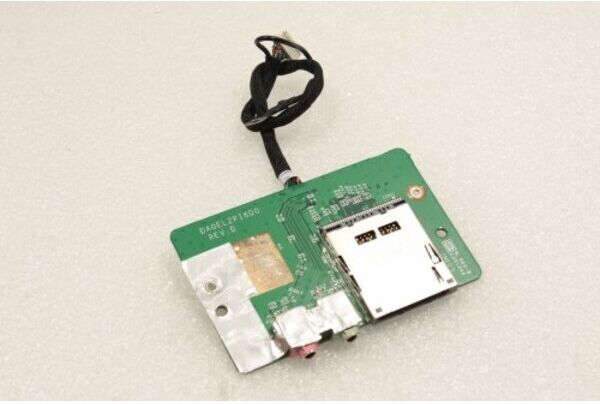
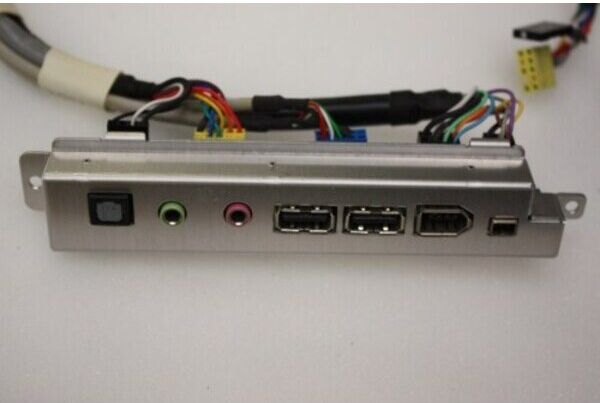
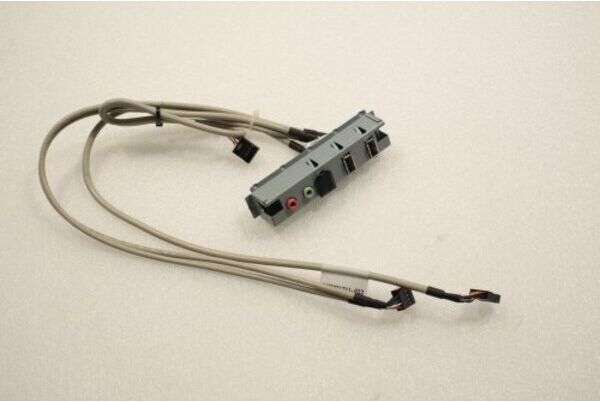

-
How many HDMI ports and how many DP ports are there?
There are 2 HDMI ports and 1 DP port on the monitor. **
-
What are tagged ports?
Tagged ports, also known as trunk ports, are network switch ports that are configured to carry traffic for multiple VLANs. When a frame enters a tagged port, it is tagged with a VLAN identifier, allowing the switch to differentiate between different VLANs and forward the frame to the appropriate destination. Tagged ports are commonly used to connect switches together or to connect a switch to a router or server that needs to communicate with multiple VLANs. This allows for more efficient use of network resources and better segmentation of network traffic. **
-
Can I replace my front USB 2.0 ports with USB 3.0 ports?
Yes, it is possible to replace front USB 2.0 ports with USB 3.0 ports. However, it will require some technical knowledge and skills to do so. You will need to ensure that the motherboard supports USB 3.0 and that there are available headers for the new ports. Additionally, you will need to physically replace the ports and potentially update the drivers for the new USB 3.0 ports. It is recommended to consult with a professional or refer to the motherboard's manual for specific instructions. **
-
Do the USB 2.0 ports not work, but the USB 3.0 ports do?
If the USB 2.0 ports are not working but the USB 3.0 ports are, it could indicate a problem with the USB 2.0 controller or the ports themselves. This could be due to a hardware issue, such as a faulty controller or damaged ports. It could also be a driver issue, where the USB 2.0 controller is not properly recognized or supported by the operating system. Troubleshooting steps could include checking for driver updates, testing the ports with different devices, and potentially seeking hardware repairs if the issue persists. **

What are the Docker ports?
Docker ports are used to expose services running inside a Docker container to the outside world. Ports are essential for allowing communication between the container and the host machine or other containers. By mapping ports from the container to the host machine, external services can interact with the services running inside the container. Docker ports are specified in the Dockerfile or when running a container using the `-p` flag followed by the port numbers. **
Why do USB ports fail?
USB ports can fail for a variety of reasons, including physical damage from improper insertion of USB devices, electrical surges or power spikes, and general wear and tear over time. Additionally, dust and debris can accumulate in the port, leading to poor connections and eventual failure. In some cases, the USB controller or circuitry within the device may also malfunction, causing the port to fail. Regular maintenance and proper handling of USB devices can help prevent port failure. **
Top-Angebote
Products related to Ports:
-
Why are there so many audio ports?
There are many audio ports because different devices and equipment have different audio input and output requirements. For example, some devices may have separate ports for headphones, microphones, and external speakers, while others may have combined ports for both input and output. Additionally, there are different types of audio ports such as 3.5mm, USB, HDMI, and optical, each serving different purposes and catering to different devices. The variety of audio ports allows for flexibility and compatibility with a wide range of audio equipment and devices. **
-
What are the audio ports on the motherboard?
The audio ports on a motherboard typically include a line-in port for connecting external audio sources such as microphones or musical instruments, a line-out port for connecting speakers or headphones, and a microphone port for inputting sound from a microphone. Some motherboards may also have additional ports such as a digital audio output or surround sound ports for connecting to more advanced audio systems. These ports allow users to easily connect and use audio devices with their computer without the need for additional sound cards. **
-
How many HDMI ports and how many DP ports are there?
There are 2 HDMI ports and 1 DP port on the monitor. **
-
What are tagged ports?
Tagged ports, also known as trunk ports, are network switch ports that are configured to carry traffic for multiple VLANs. When a frame enters a tagged port, it is tagged with a VLAN identifier, allowing the switch to differentiate between different VLANs and forward the frame to the appropriate destination. Tagged ports are commonly used to connect switches together or to connect a switch to a router or server that needs to communicate with multiple VLANs. This allows for more efficient use of network resources and better segmentation of network traffic. **
Similar search terms for Ports
-
Can I replace my front USB 2.0 ports with USB 3.0 ports?
Yes, it is possible to replace front USB 2.0 ports with USB 3.0 ports. However, it will require some technical knowledge and skills to do so. You will need to ensure that the motherboard supports USB 3.0 and that there are available headers for the new ports. Additionally, you will need to physically replace the ports and potentially update the drivers for the new USB 3.0 ports. It is recommended to consult with a professional or refer to the motherboard's manual for specific instructions. **
-
Do the USB 2.0 ports not work, but the USB 3.0 ports do?
If the USB 2.0 ports are not working but the USB 3.0 ports are, it could indicate a problem with the USB 2.0 controller or the ports themselves. This could be due to a hardware issue, such as a faulty controller or damaged ports. It could also be a driver issue, where the USB 2.0 controller is not properly recognized or supported by the operating system. Troubleshooting steps could include checking for driver updates, testing the ports with different devices, and potentially seeking hardware repairs if the issue persists. **
-
What are the Docker ports?
Docker ports are used to expose services running inside a Docker container to the outside world. Ports are essential for allowing communication between the container and the host machine or other containers. By mapping ports from the container to the host machine, external services can interact with the services running inside the container. Docker ports are specified in the Dockerfile or when running a container using the `-p` flag followed by the port numbers. **
-
Why do USB ports fail?
USB ports can fail for a variety of reasons, including physical damage from improper insertion of USB devices, electrical surges or power spikes, and general wear and tear over time. Additionally, dust and debris can accumulate in the port, leading to poor connections and eventual failure. In some cases, the USB controller or circuitry within the device may also malfunction, causing the port to fail. Regular maintenance and proper handling of USB devices can help prevent port failure. **
* All prices are inclusive of VAT and, if applicable, plus shipping costs. The offer information is based on the details provided by the respective shop and is updated through automated processes. Real-time updates do not occur, so deviations can occur in individual cases. ** Note: Parts of this content were created by AI.